
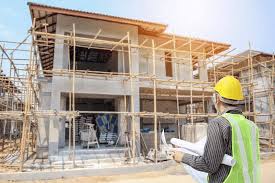
Building a house is one of the most exciting investments a homeowner can make. However, without proper planning and guidance, it can quickly become overwhelming. Many homeowners make avoidable mistakes that lead to delays, increased costs, and unnecessary stress.
Understanding these common mistakes when building a house can help you plan better and achieve a smoother construction process.
Starting Without a Clear Plan
One of the biggest mistakes homeowners make is beginning construction without a fully developed plan. A lack of clarity in design, layout, and materials often leads to confusion during the build.
This results in:
Delays in decision-making
Frequent design changes
Increased overall costs
Taking the time to finalise your plans before construction begins will ensure a more efficient and controlled process.
Underestimating the True Cost
Many homeowners underestimate the cost of building a house. Beyond materials and labour, there are additional expenses such as planning permissions, design fees, and unexpected site conditions.
Without proper budgeting, projects can quickly exceed financial limits.
To avoid this:
Set a realistic budget from the start
Include a contingency of at least 10–15%
Work with professionals to estimate accurate costs
Choosing the Wrong Contractor
Selecting a contractor based solely on the lowest price is a common but costly mistake. Lower quotes may compromise quality or lead to hidden costs later in the project.
Instead, homeowners should focus on:
Experience and past projects
Client reviews and reputation
Clear communication and transparency
A reliable contractor ensures better quality and fewer issues throughout the build.
Making Changes During Construction
Changing designs once construction has started can significantly impact both time and cost. Even small changes can cause delays and require rework.
It is always best to finalise:
Layouts
Materials
Finishes
before construction begins to minimise disruptions.
Ignoring Functionality
While aesthetics are important, functionality should always come first. A home must be practical and comfortable for everyday living.
Poor planning can lead to:
Inefficient layouts
Lack of storage
Poor lighting or ventilation
Designing with long-term use in mind will create a home that not only looks good but also works well.
Conclusion
Avoiding these common mistakes when building a house will save time, money, and stress. With proper planning, a realistic budget, and the right team, your project can run smoothly from start to finish.